





You opened three SDET job listings, and each one reads like a different role. The first wants Selenium and Java. The second asks for Playwright with TypeScript. The third lists Kubernetes alongside test design and CI pipelines. So what does an SDET actually do, and is this the path you want to grow into? In the article below, you’ll learn what the SDET role really covers in 2026, plus how it differs from other testing jobs. Then you’ll see what hiring teams expect and how autonomous quality agents are reshaping the work.
What Is An SDET?
An SDET (Software Development Engineer in Test) is a hybrid role that combines software development with test automation. An SDET writes code to test software, building the test automation frameworks and integrating tests into CI/CD pipelines while working alongside developers throughout the development lifecycle. Microsoft created the SDET role to handle the testing demands of large products like Exchange, where the product grew too large to check by hand alone. Google and Amazon picked up the title shortly after. Today the term is standard at most large engineering organizations.
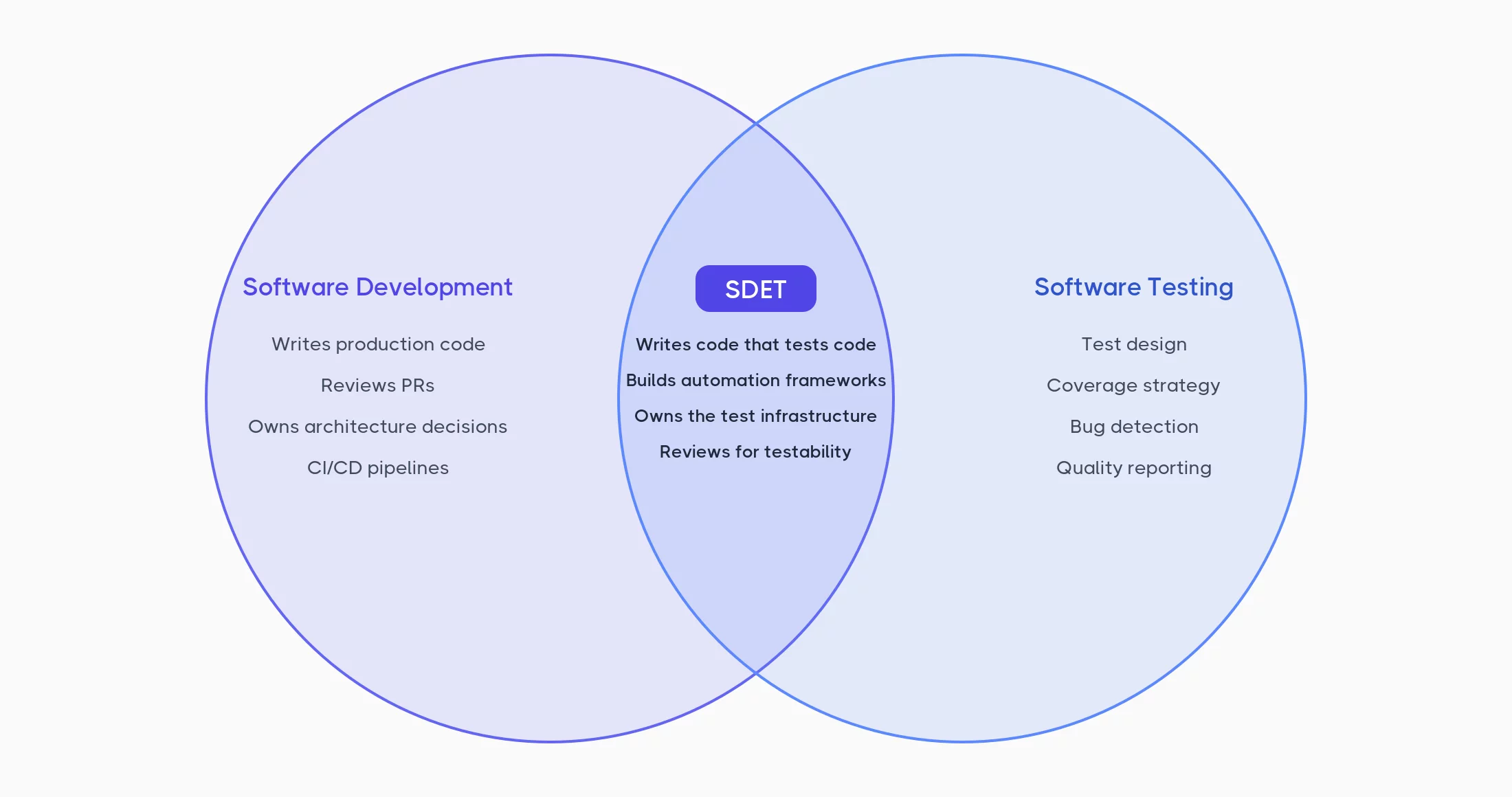
People often shorten the SDET meaning to the label automation tester, and that loses the important part. A pure automation tester writes test scripts using a framework someone else built. An SDET builds the framework. They decide what runs in unit tests versus integration versus end-to-end, and they write the page object model the rest of the team uses. They configure the test reporting that the engineering manager checks every morning.
The role exists because modern software moves too fast for manual QA to match. Three data points explain why SDET demand keeps climbing:
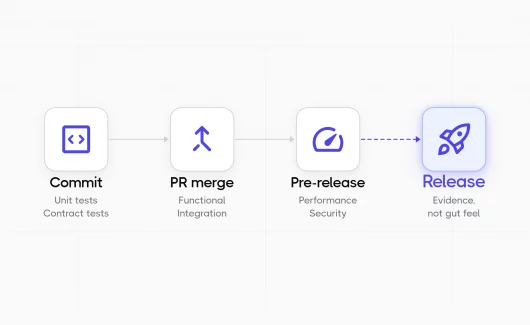
- Deployment velocity. The highest-performing teams now deploy on demand, often several times a day, and each release needs verification.
- Employment growth. The US Bureau of Labor Statistics projects the combined category of software developers, QA analysts, and testers to grow 15 percent from 2024 to 2034.
- Openings pipeline. That’s about 129,200 openings per year over the decade. SDET roles sit inside that number, closer to the developer side of the category.
Here’s the part that confuses career switchers. SDET work leans more toward engineering than testing as you get senior. A senior SDET engineer spends most of their time designing test architecture and reviewing pull requests. Running test cases by hand barely happens.
SDET Vs QA Tester And Automation Engineer
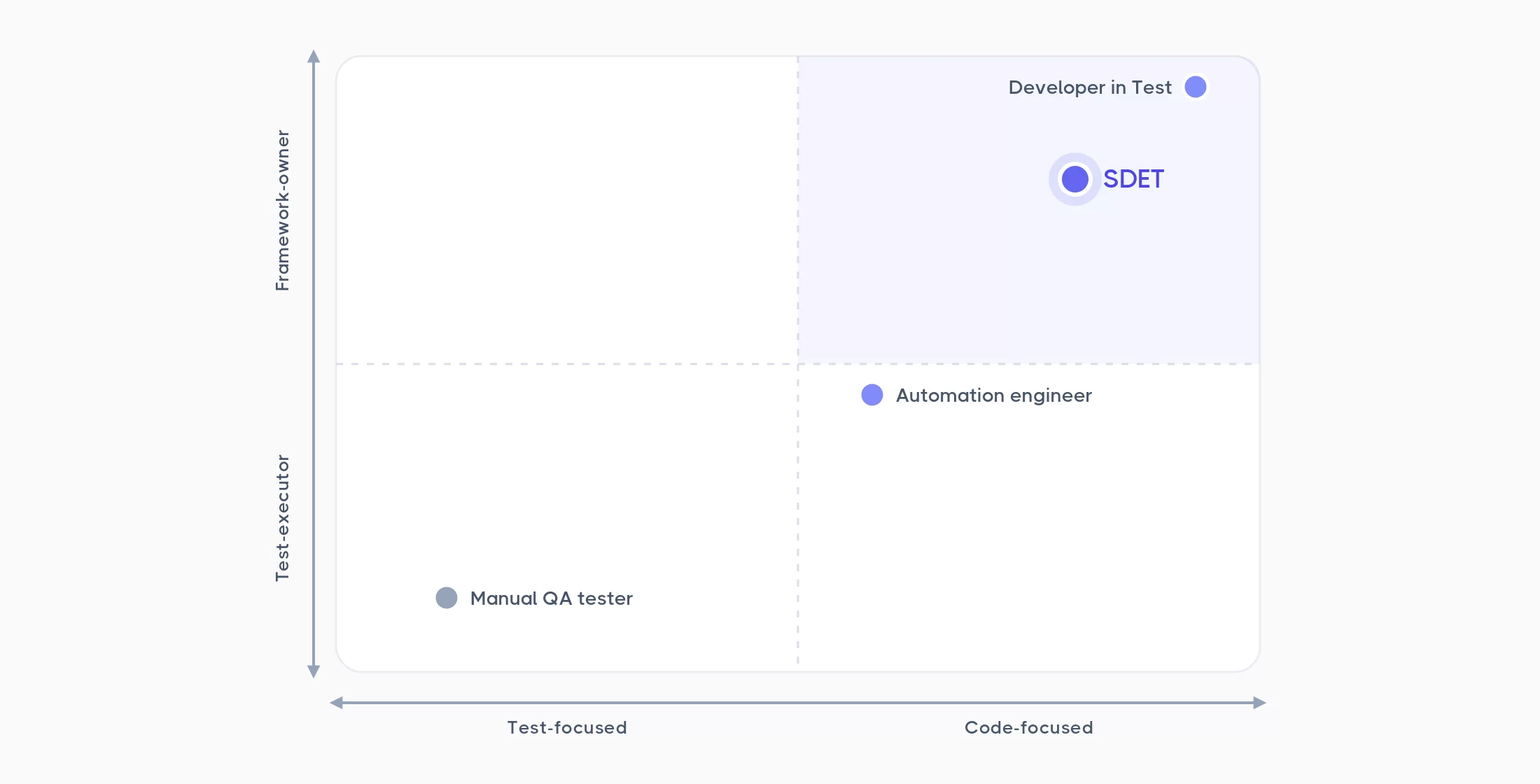
Job titles in this space overlap, and teams swap them around. QA tester, automation engineer, SDET, developer in test. The boundaries blur from company to company. Here’s how they typically separate in 2026.
| Role | Primary focus | Coding depth | Owns frameworks? |
|---|---|---|---|
| Manual QA tester | Black-box testing, exploratory testing, UAT | Light scripting or none | No |
| Automation engineer | Writing automated test scripts using an existing framework | Mid; reads and writes code in one language | Sometimes |
| SDET | Building frameworks, tools, CI integration, plus writing tests | High; reads architecture, writes production-grade code | Yes |
| Developer in test (DiT) | Embedded with a dev team, writes test code as part of feature work | High; equal to developer | Shared with team |
SDET vs manual QA tester
The fastest way to spot the difference: a manual QA tester tests the application. An SDET tests the application by writing code that tests the application. A manual QA day might produce 30 explored test scenarios and 5 logged defects. An SDET day might produce 200 new automated tests added to the suite, plus a fix for the framework’s retry logic. The scope difference goes deeper than daily volume. Manual QA owns exploratory coverage and edge-case thinking. SDETs own the infrastructure that makes automation possible at all. Both roles matter. They measure success against different things.
SDET vs automation engineer
Automation engineers and SDETs overlap heavily. The cleanest distinction: an automation engineer takes a framework and writes tests in it. An SDET designs the framework and chooses what gets tested where. They also own the runner and the reporting layer. In small companies, the same person does both jobs. In larger organisations, the SDET owns the framework work while dedicated automation engineers or developers write the feature-level tests.
SDET vs developer in test (DiT)
Some companies call the same role developer in test or test engineer instead of SDET. The day-to-day looks the same. The DiT title leans slightly more developer-coded and appears more often in engineering-led organizations where testing sits inside dev teams rather than in a separate QA function.
What Core Tasks Does a Software Development Engineer in Test Do?
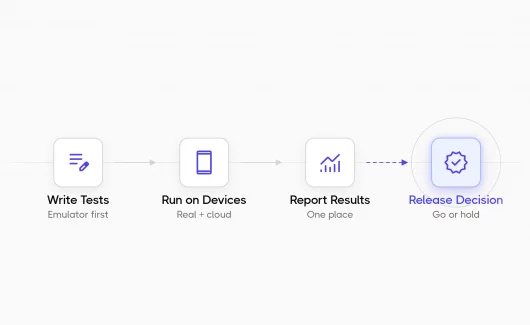
The core tasks of a Software Development Engineer in Test, the SDET full form, include writing automated test frameworks and reviewing code for testability. They also build CI/CD test pipelines. Here’s what they are responsible for:
- Design and maintain the test automation frameworks. Choose the runner and define the page object patterns. Set up fixture management, and keep the framework current as the app evolves.
- Write automated tests across the pyramid. Unit and integration tests, and end-to-end suites where the flow needs full coverage. The SDET decides what runs where based on the speed versus cost trade-off, then implements the tests or reviews the ones developers add.
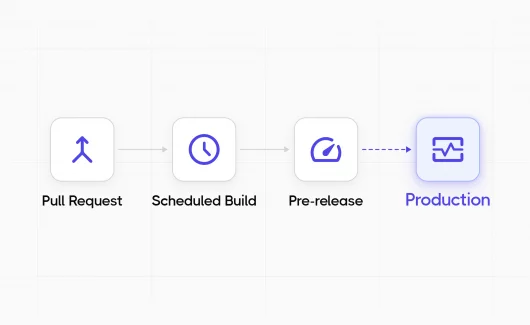
- Integrate tests into CI/CD pipelines. Author the workflow files for Jenkins or GitHub Actions. Do the same for GitLab CI or Azure DevOps in shops that use them. Define when tests run and how failures block merges. Make sure results reach the team in the tools they already check.
- Investigate and fix flaky tests. Root-cause the failures that pass on retry and tighten wait conditions in page objects. Remove tests that provide no signal instead of retry-looping them. Flakiness left unfixed is the fastest way to lose the team’s trust in the suite.
- Own test data and environment setup. Build the factories and seeders that generate test data. Add the cleanup hooks that keep tests isolated and repeatable across runs.
- Review developer PRs for testability. Comment on code that’s hard to test and suggest testable seams. Catch missing test coverage before merge, especially for error paths and edge cases.
- Report on quality and coverage. Aggregate results across frameworks into a single view. Track pass rates and flakiness trends. Flag test coverage gaps the team can act on before release.
- Mentor manual QA on automation practices. Pair on the first automated tests and document the framework patterns. Contribute to test plans that fit agile sprint cycles. Transfer ownership of the automation for feature areas the manual testers already know cold. Hold the team to shared quality standards throughout.
Some SDET roles are technical-heavy. Framework and infrastructure work fills most of the week. Others handle release management and quality reporting. The mix shifts sprint by sprint.
The SDET Tech Stack: Skills And Tools
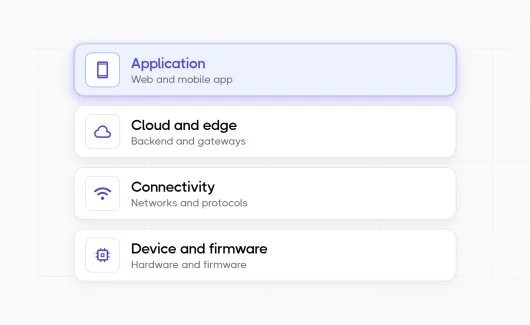
SDET job postings list a wide range of skills. The following categories cover almost all of them:
Programming languages
An SDET needs to be strong in at least one common language, usually the one the development team uses. The Stack Overflow 2025 Developer Survey ranks JavaScript first among professional developers, with Python and TypeScript close behind. Python grew 7 percentage points year over year, the largest jump of any established language. The most common picks in 2026 for SDET work are Java, Python, JavaScript/TypeScript, and C#. Java still dominates enterprise testing, especially in Selenium and TestNG stacks. Python wins for API and data testing work. The JavaScript ecosystem owns frontend automation through Playwright and Cypress. C# appears in .NET shops and game testing.
If you’re picking one to start, pick the one your target employer uses. If you don’t have a target employer, JavaScript or TypeScript gives you the most overlap with frontend automation, which is the largest hiring category right now.
Test automation frameworks
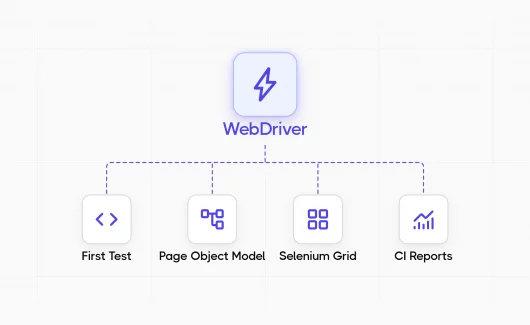
Frameworks split by what they test. For web UI, Playwright has become the community-recommended default for new projects. ThoughtWorks Technology Radar volumes since 2024 list Playwright in the Adopt ring and Selenium in Hold for new work, though Selenium keeps a large enterprise user base and roughly 22 percent overall market share in QA automation. Cypress holds the second spot for JavaScript-first teams. For API testing, Postman and REST Assured handle most needs. For mobile, Appium is the cross-platform default. For unit tests, language-native tools apply: JUnit for Java, pytest for Python, Jest or Vitest for JavaScript.
The framework choice matters less than the patterns an SDET applies on top of it. Page object model, fixture management, data builders, custom assertions. These transfer between tools.
CI/CD and DevOps tools
Tests that don’t run automatically don’t catch anything. Every SDET integrates the test suite into a CI pipeline. The common CI platforms are Jenkins and GitHub Actions for most teams. GitLab CI and CircleCI cover the rest, with Azure DevOps appearing in Microsoft-stack shops. The mechanics differ. The concepts transfer. You write a workflow file and define when tests run. You decide what blocks a merge.
Expectations around DevOps are growing. Many SDET job postings now list Docker and Kubernetes, plus basic AWS or GCP knowledge. You don’t need to be a platform engineer, but you should be able to debug why a test container can’t reach a staging service.
API testing and test data
A surprising amount of SDET work happens below the UI. API tests run faster and break less often than UI tests. They also catch backend regressions before those reach end-to-end suites. Most modern SDETs spend more time writing API tests than UI tests.
Test data is the other half. You generate and seed realistic data before each run, then clean it up after. SDETs build the data fixtures and the factory helpers, plus the cleanup hooks that keep tests isolated.
Quality intelligence and reporting
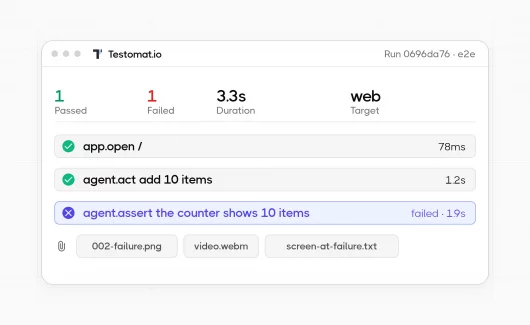
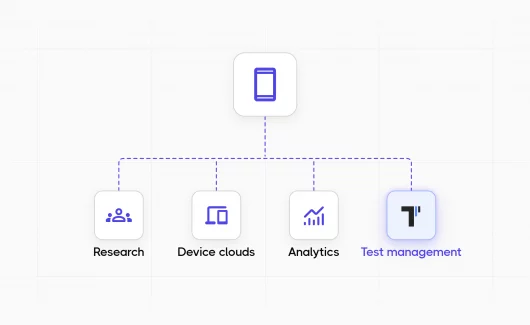
Test results collected in CI logs help nobody. The team needs to see what passed and what failed. They also need to see what’s flaky and what’s currently covered. This is the quality intelligence layer, and modern SDETs increasingly own it.
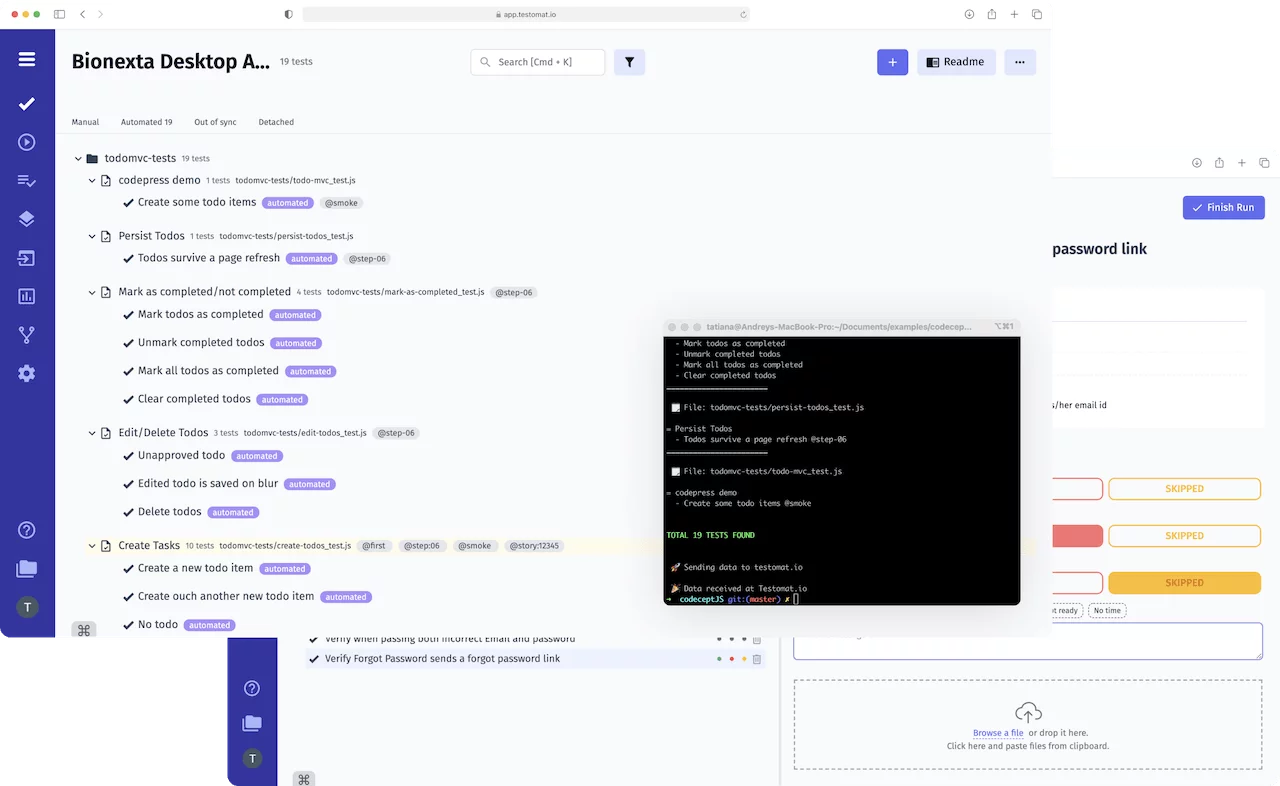
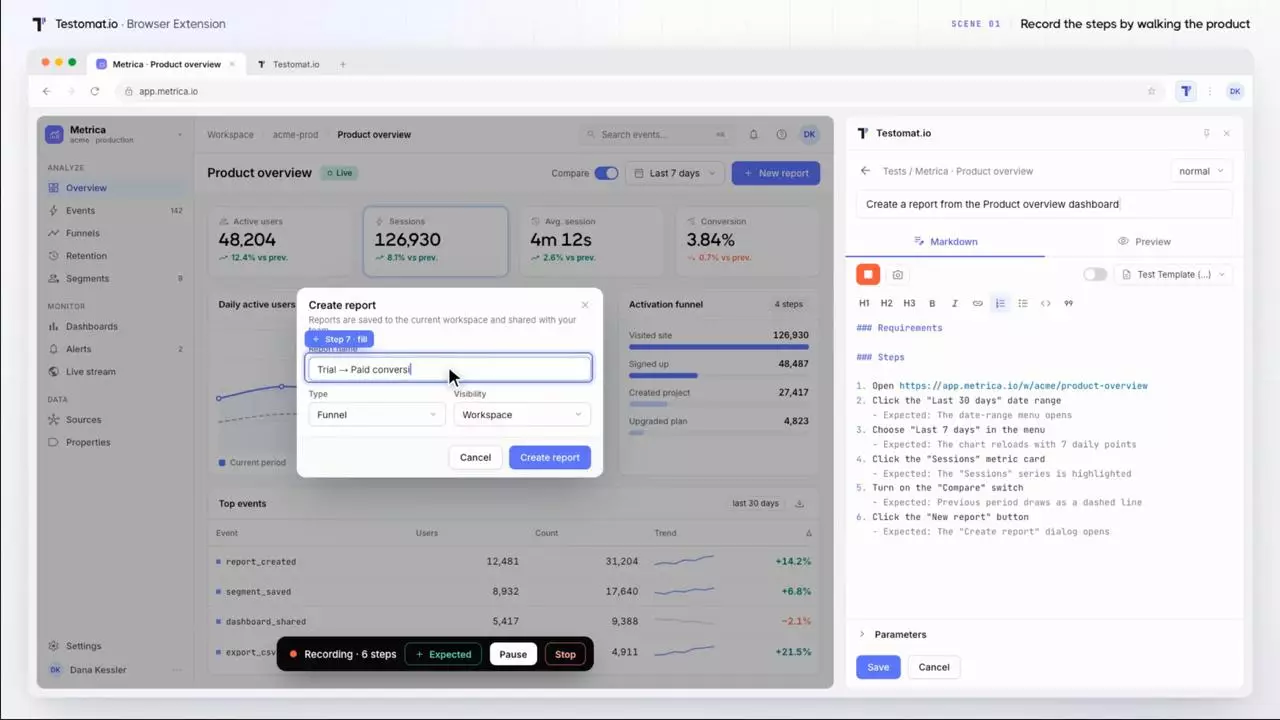
A platform like Testomat.io pulls test results together from across frameworks and links failures to Jira tickets. It flags flaky tests automatically and gives the engineering team a single view of where coverage exists and where it doesn’t. Instead of one dashboard for Playwright and another for Cypress and pytest, the SDET sets up this layer once. The whole team works from the same source of truth.
This part of the stack used to be optional. It’s becoming central, especially as test suites grow past a few thousand cases and as AI agents start contributing tests of their own.
Soft skills that matter more than people admit
Most SDET job postings underrate the non-technical skills. SDETs sit between developers and QA, with product and DevOps stakeholders on the other side. Communication is the difference between someone whose frameworks the team adopts and someone who builds great tools nobody uses.
Code review fluency and patience with the manual testers you’re trying to upskill. The instinct to write a quick doc instead of answering the same question for the fourth time. These help you more than another programming language does.
How Is AI Changing The SDET Role?
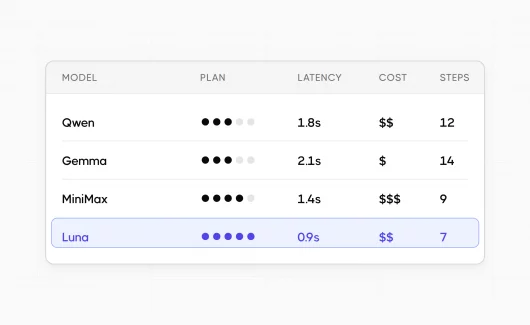
AI moves SDET work from writing each test by hand toward designing test strategy and orchestrating autonomous agents. Reviewing AI-generated tests becomes part of the daily flow, and the role gets more architectural.
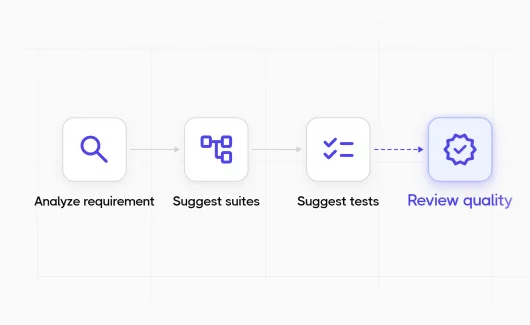
In early-adopter teams, this is already happening. The pattern is consistent: rather than one giant AI assistant doing everything, specialized agents handle different stages of the software testing workflow.
| What the agent does | What stays the SDET’s job |
|---|---|
| Generates draft tests from PRs and code changes | Decides what’s worth automating |
| Prioritizes runs by risk and change scope | Defines what risk means for this product |
| Explores user flows looking for unexpected defects | Reviews findings, marks false positives |
| Maintains the suite: dedup, flakiness reduction | Sets the maintenance policy and approval rules |
| Runs the same regression suites every time | Designs the test architecture |
Signals trigger the work. A new pull request, a design change in Figma, a customer-facing incident, a meeting transcript flagging a new requirement. Each signal flows into an orchestration layer that decides which agent handles it. The layer also picks what evidence to collect and when to bring in a human.
Testomat.io is building toward this model directly, with specialized agents for requirement analysis and exploration. Separate agents handle execution and maintenance. The platform exposes an MCP server that lets external coding agents operate through it. The bet is that quality stops being a phase at the end of development and becomes a continuous system that learns and adapts as the product evolves.
What this means for an SDET career: the value moves up the stack. Writing one more Selenium test no longer sets you apart. Designing the architecture that lets agents and humans share the same test suite, and owning the evidence trail for release decisions including what the agents can merge without review. That work isn’t going to be automated away any time soon.
How To Become a Software Development Engineer in Test (SDET)
There’s no single SDET training track. The path depends on where you’re starting, and each route has a different first 90 days.
If you’re coming from manual QA
You have the testing instinct already, and that’s the harder half. Add programming as the missing piece. Pick one language (Python is the most forgiving for testers transitioning) and get comfortable writing functions and handling errors. Move on to working with classes and reading other people’s code.
From there, learn one automation framework end-to-end. Playwright is a good starting point because the docs are excellent and the API is small. Build something real with it. Not a tutorial todo app. Pick a public website (your bank’s login flow, a SaaS product you use, a job board) and automate five real user scenarios.
The transition from manual QA to SDET typically takes 6 to 18 months of focused SDET training while working a manual job. The companies that hire from this path tend to be the ones with a strong internal QA function that’s investing in upskilling.
If you’re coming from development
You have the coding chops. What you’re missing is the testing mindset. Spend time learning the categories: unit testing, integration testing, end-to-end testing, exploratory testing, performance testing, security testing. Each one has its own patterns and pitfalls.
Read about test design techniques: equivalence partitioning, boundary value analysis, decision tables, state transition testing. These sound academic, but they’re the difference between writing 50 tests that all check the happy path and writing 5 tests that catch the bugs that matter.
If you’re starting from scratch
A computer science degree helps but isn’t required. Bootcamps with a testing focus exist, though they’re rarer than general dev bootcamps. The faster path is self-directed: learn one language and one framework, then build a portfolio.
Forget the older industry claim that SDET is a senior-only role requiring 5+ years of experience. Entry-level and junior SDET roles exist, especially in companies that recognize they need test automation but haven’t built up an internal team.
Portfolio projects that get you hired
Hiring managers see hundreds of GitHub repos full of half-finished Selenium tutorials. Three projects that stand out, in increasing order of difficulty:
- A complete automation suite for a real public application. Pick a site (open-source, your own, a public demo). Automate 15 to 20 end-to-end scenarios using a modern framework. Set up CI to run them on every commit. Document the framework decisions you made and why.
- A test data factory. Build a small library for generating realistic test data for a specific domain (e-commerce orders, healthcare patient records, financial transactions). Show how it integrates with a test suite. Demonstrate cleanup and isolation between runs.
- A test reporting integration. Take two or three different test runners (Playwright, pytest, Jest) and consolidate their results into a single readable report. This is the kind of work that mirrors what an SDET does day-to-day on a real team.
Is SDET A Good Career In 2026?
SDET demand continues to grow as more organizations move to automation-first quality. The role has clear progression toward senior and staff engineer levels. It also benefits from the AI transition rather than getting replaced by it, since orchestrating autonomous quality agents is becoming part of the job. The SDET role sits at the intersection of software engineering and quality, and that intersection is widening as autonomous agents take on more of the routine test work. The SDETs who win in 2026 are the ones who own the framework and the data layer. They also own the reporting and, increasingly, the agent orchestration that turns raw test activity into release decisions. If you’re building toward that model, you can explore the AI agents and MCP server in Testomat.io AI test management platform, or start with a free workspace to see how quality intelligence works in practice.